When people think about healthy aging, they often think about diet, exercise and medical checkups. All of these matter. But one of the most powerful parts of living well is also one of the simplest: spending time with people who know us and care about us.
What the research tells us
Over many years, studies in different countries have linked strong social relationships with better health and longer lives. The United States Surgeon General has also issued an advisory describing loneliness and isolation as a public health concern, and many health organizations now treat social connection as part of overall wellbeing.
This does not mean that friendships guarantee a long life. It means that connection is a real factor, alongside movement, nutrition, sleep and medical care, and that it deserves attention.
Source: PLoS Medicine, 2010; US Surgeon General's Advisory on Loneliness and Isolation, 2023
How connection supports wellbeing
Warm contact gives us people to share worries and good news with.
Conversation, learning and games keep the mind engaged.
Plans with others make it easier to get out and be active.
Feeling useful and part of a community gives life direction.
Mood and emotional health
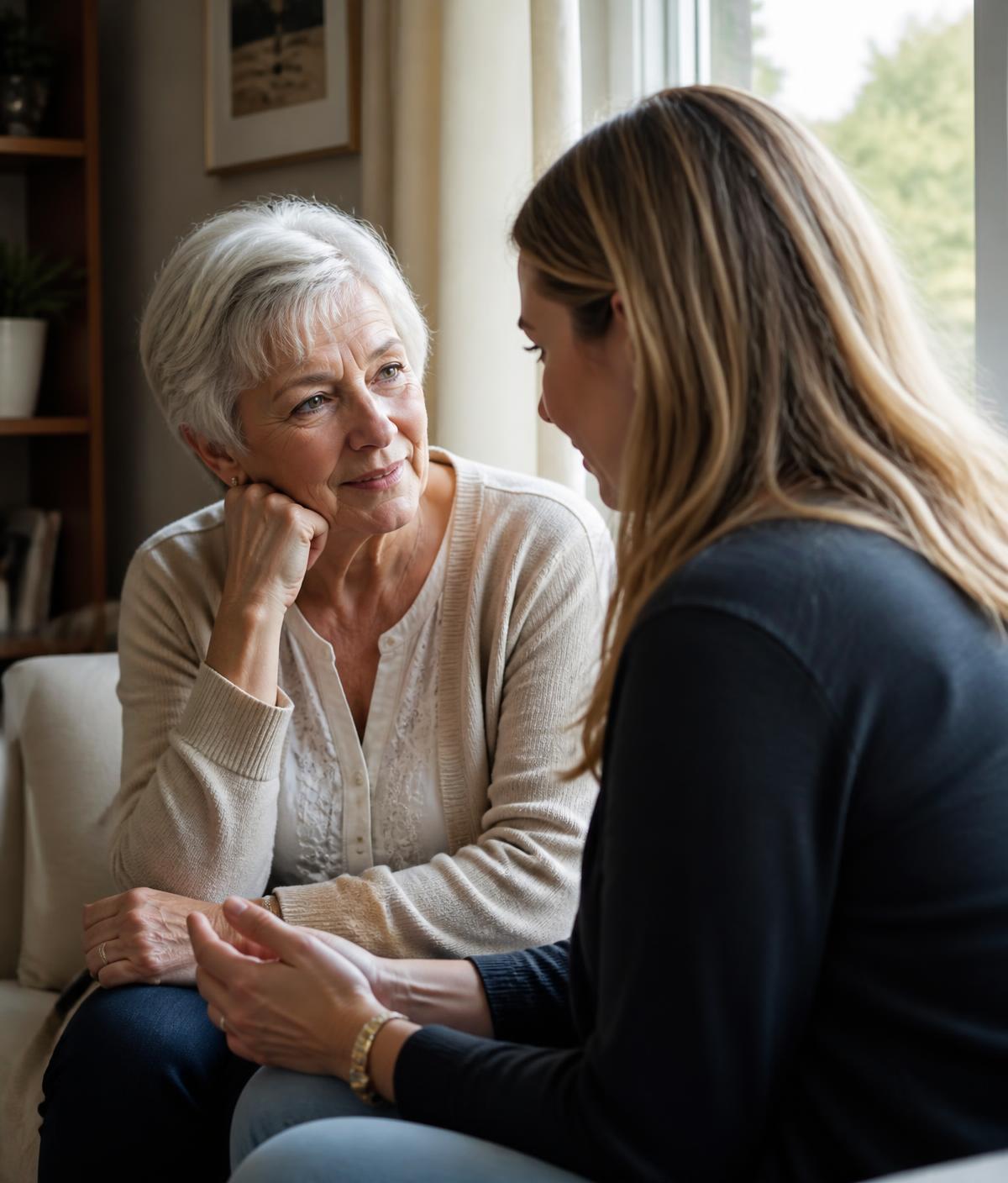
Regular, warm contact gives us people to share worries and good news with. Feeling heard and valued supports confidence and makes tough seasons easier to carry.
Mind and memory
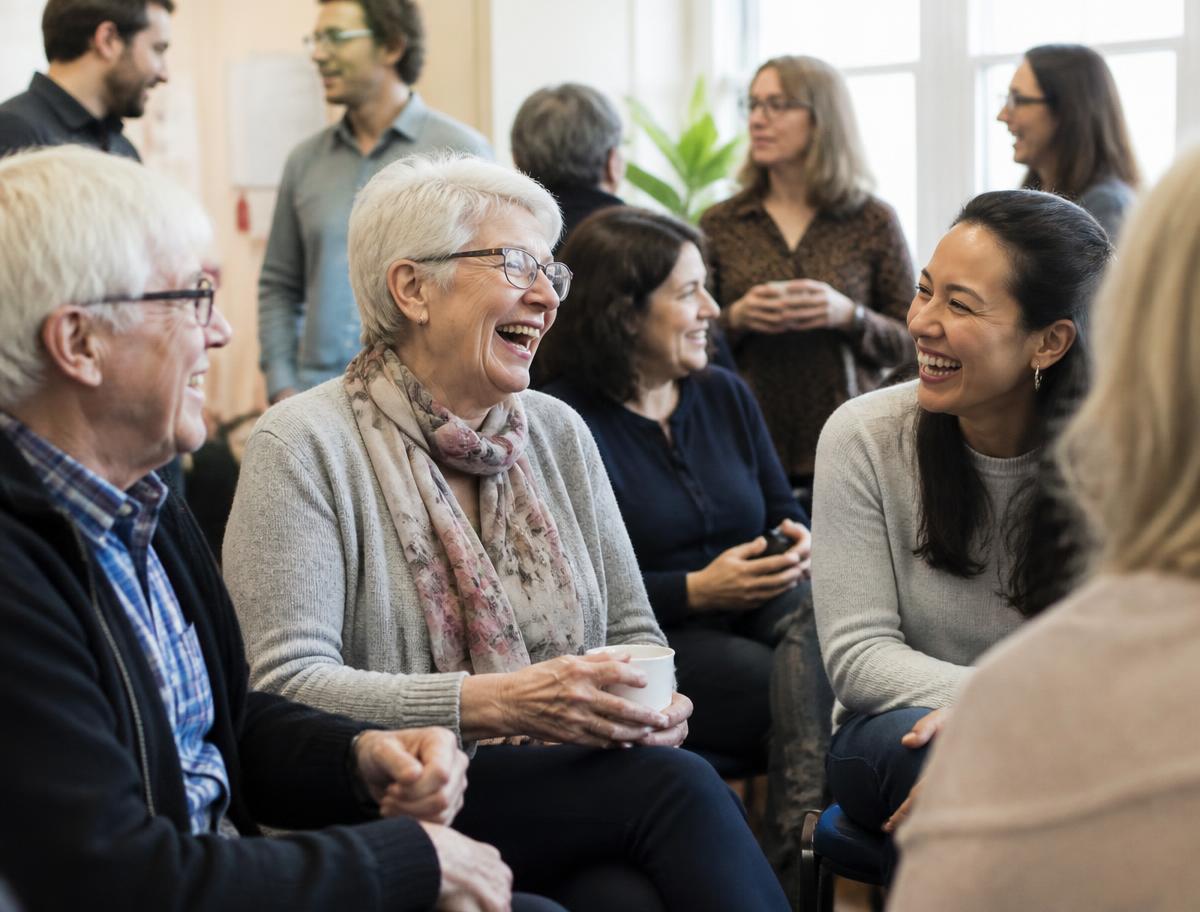
Conversation, learning and new experiences keep the mind engaged. Group activities such as music, games, classes and storytelling ask us to listen, remember and respond.
Movement and routine
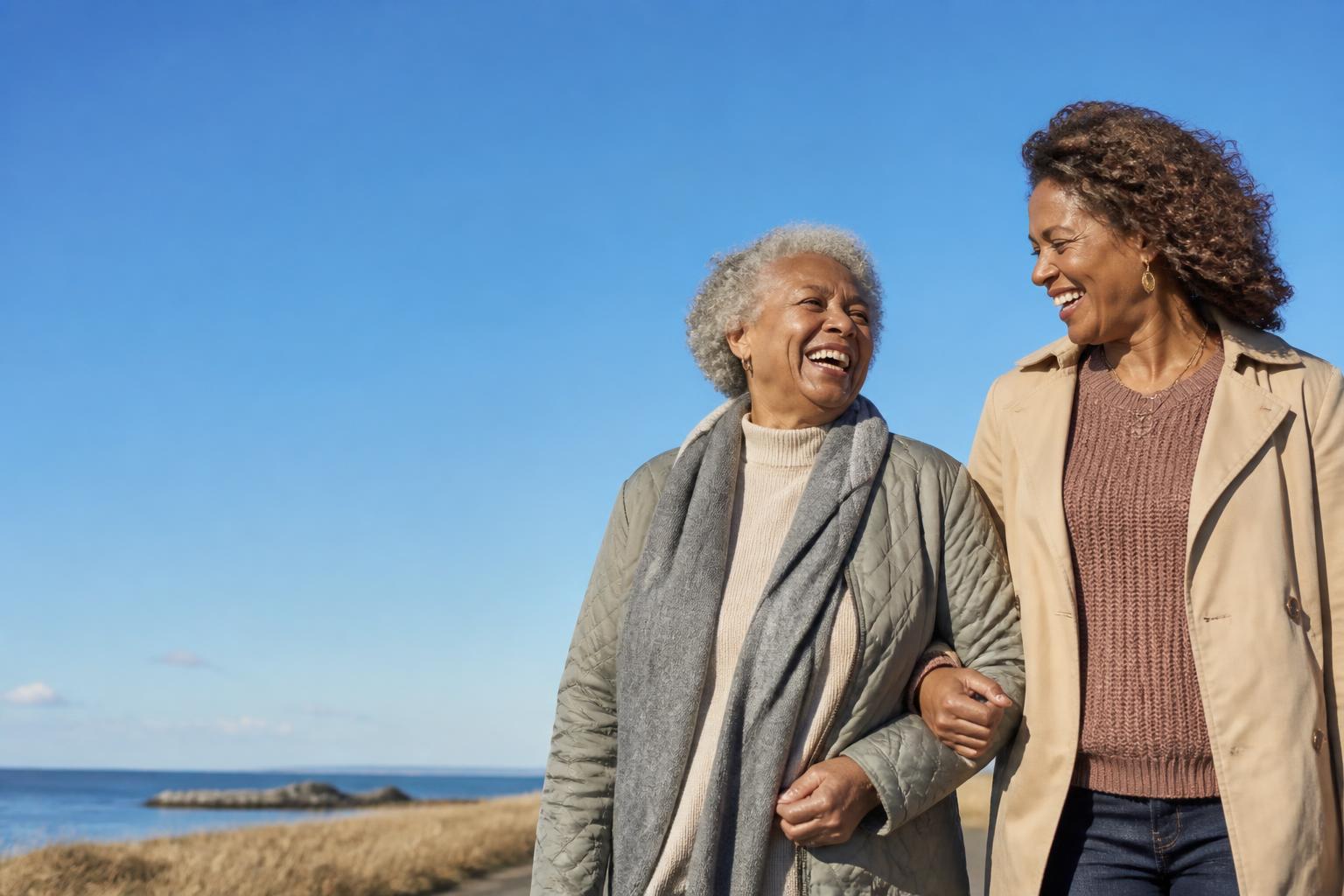
When there is a walking group on Tuesday morning or a class on Thursday, it is easier to get out of the house. Social plans create routines that support physical activity.
Purpose and belonging
Feeling useful, whether through mentoring, volunteering or simply being relied on, gives life direction. Belonging to a community tells us that we matter.
Why this matters to families
Families often take on much of an older adult's social life, and that can be tiring for everyone. When an older adult has friendships and activities of their own, family time becomes warmer and less pressured. Relatives also gain peace of mind from knowing that someone else is looking out for a parent or grandparent.
Simple ways to build more connection
- Schedule it. Put regular calls, walks and meals on the calendar.
- Join something. Choose a club or group that matches an interest.
- Mix generations. Share an activity with grandchildren or younger neighbours.
- Move together. Pair gentle exercise with company.
- Keep learning. Classes and workshops introduce new people and ideas.
- Give back. Helping others builds purpose and friendships at once.
A whole-person approach
At Ojiga, we think about social wellness as one part of a whole-person approach to longevity. Our programs bring older adults together for activities and conversation, our personal longevity assessment helps each member see where to focus, and an Ojiga Social Wellness Coordinator helps them find what fits. Families can take part too.
Ojiga is not a healthcare provider, and our programs do not replace medical care. If you have health concerns, please talk to your doctor.
Where to start
If you are wondering where to begin, explore what we offer, look at the plans, or book a free conversation with an Ojiga Social Wellness Coordinator about what would help your family. It is open to everyone, and there is no obligation.